
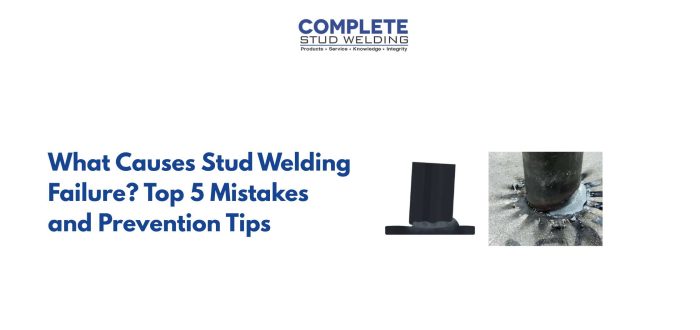
In industrial manufacturing and construction, even a small welding failure can lead to costly rework, production delays, and compromised structural integrity. Many weld problems arise from avoidable setup errors, equipment issues, or poor operating practices.
Whether you're working with a stud welding system in a fabrication shop or performing large-scale structural fastening, understanding the causes of welding failure is essential for reducing defects, improving productivity, and maintaining consistent weld quality.
What Is Stud Welding and Why Does It Fail?
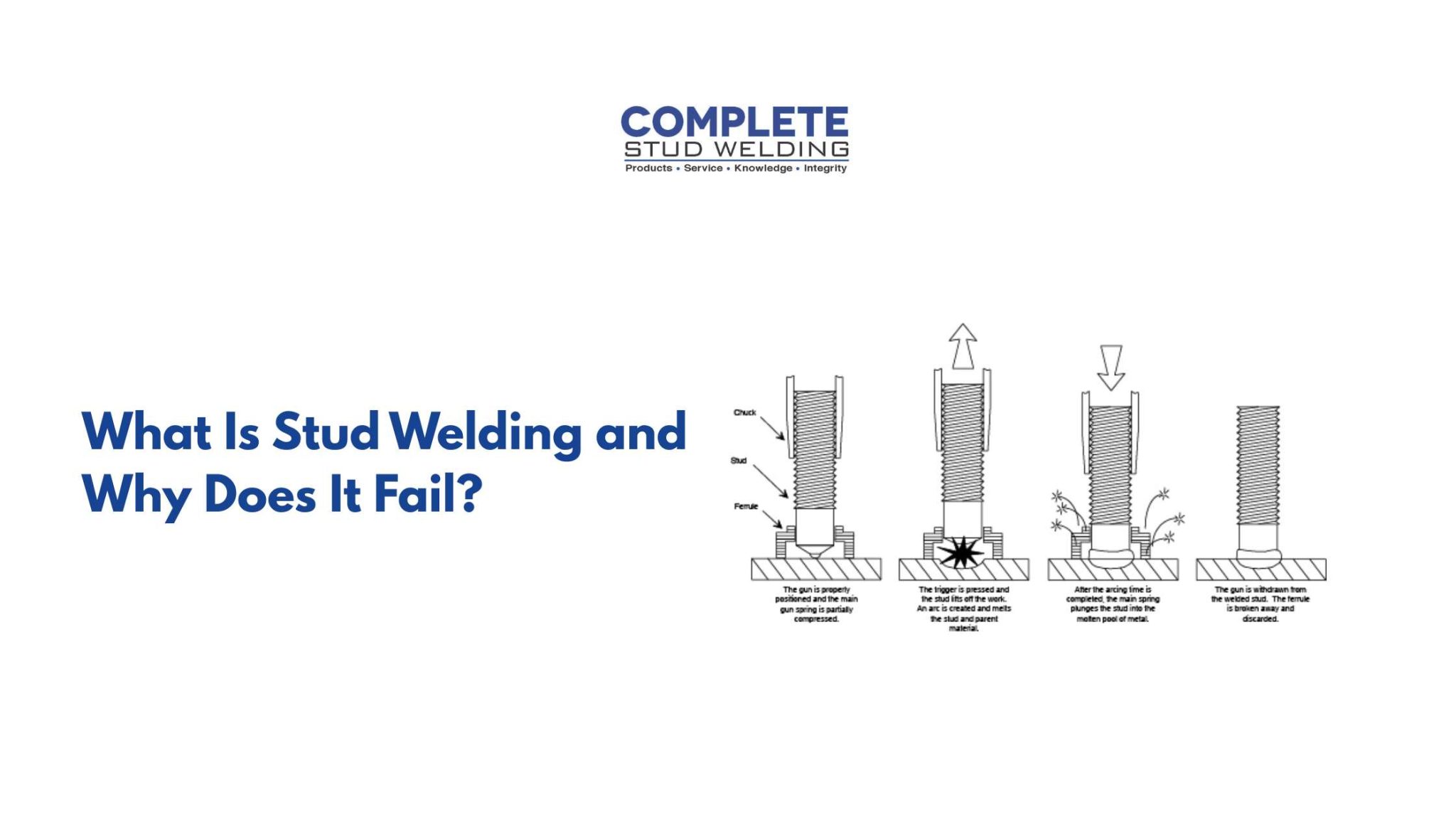
Stud welding is a fastening process that permanently joins a metal stud to a base metal workpiece using heat generated by an electric ARC. The process creates a strong bond without requiring drilling, tapping, or additional hardware.
However, rushed setups, incorrect machine settings, contaminated materials, or poor operator practices can all lead to weak welds, incomplete fusion, and premature joint failure.
How a Stud Welding System Works
A properly functioning stud welding system uses controlled energy, precise timing, and the correct consumables to produce a weld that is often stronger than the base material itself.
The stud welding machine creates an electric ARC between the stud and workpiece, melts both surfaces simultaneously, then forces the stud into the molten metal to create full fusion.
5 Top Welding Mistakes that Result in Failure
Mistake #1: Incorrect Stud Welding Machine Settings
Running incorrect amperage or weld time is one of the most common causes of welding failure. Every stud diameter and base material requires specific machine settings.
Mistake #2: Poor Surface Preparation
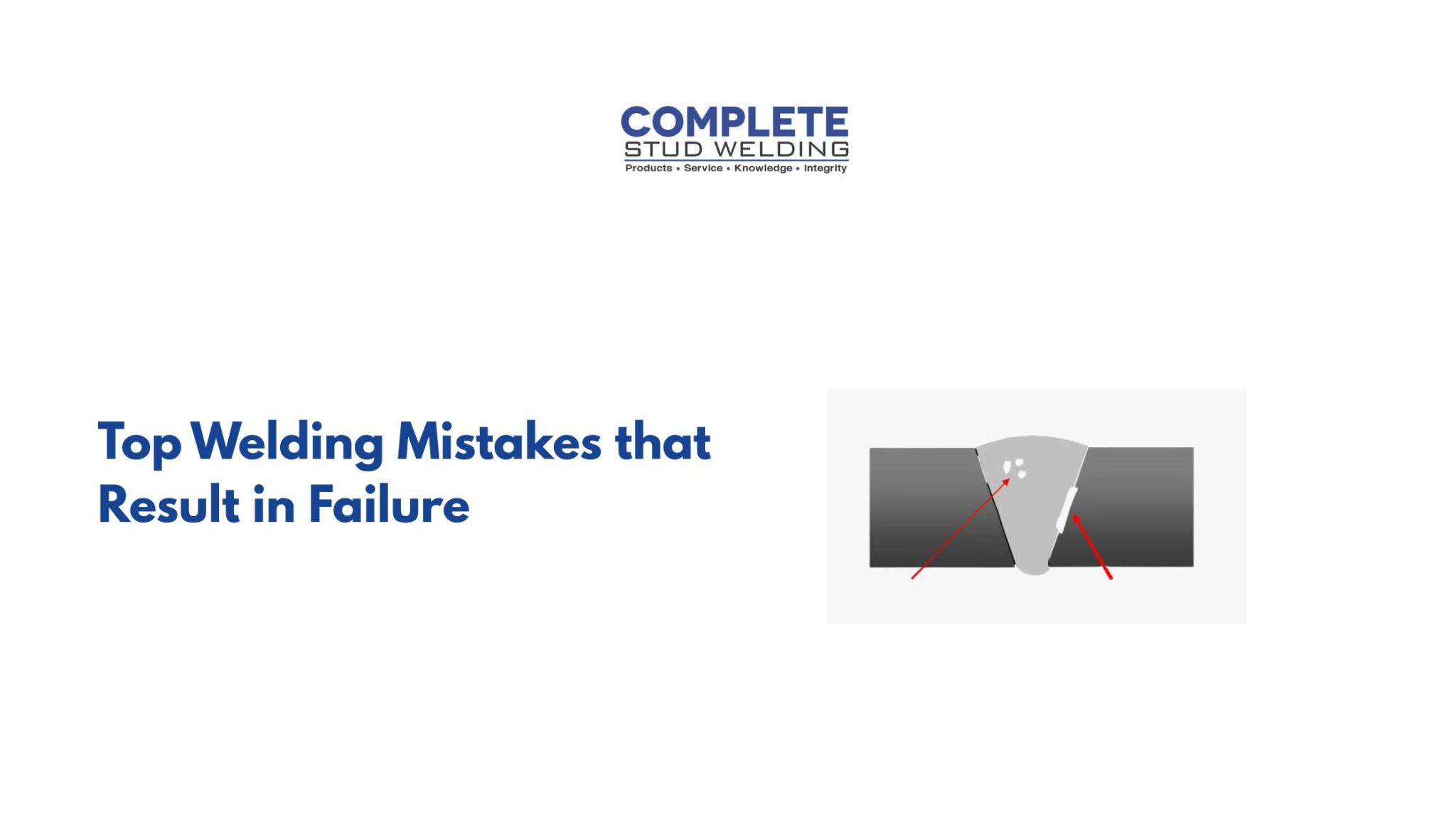
Oil, rust, mill scale, paint, moisture, and other contaminants prevent proper fusion and create weak welds.
Common defects include:
- Incomplete Fusion
- Porosity
- Weak Bond Strength
- Inconsistent Weld Formation
Mistake #3: Wrong Stud or Chuck Fit
Using worn chucks or incorrect stud combinations affects ARC consistency and can eventually cause fastener pullout under load.
Mistake #4: Improper Gun Angle and Positioning
The welding gun must remain perpendicular to the work surface. Even slight angle changes can create uneven fusion and structurally weak welds.
Mistake #5: Inadequate Inspection and Maintenance
Ignoring inspection schedules often allows equipment wear and welding defects to go unnoticed until failures occur in service.
Routine inspections help identify:
- Equipment Wear
- Electrical Issues
- Parameter Drift
- Developing Weld Defects
Welding Troubleshooting Guide for Your Operation
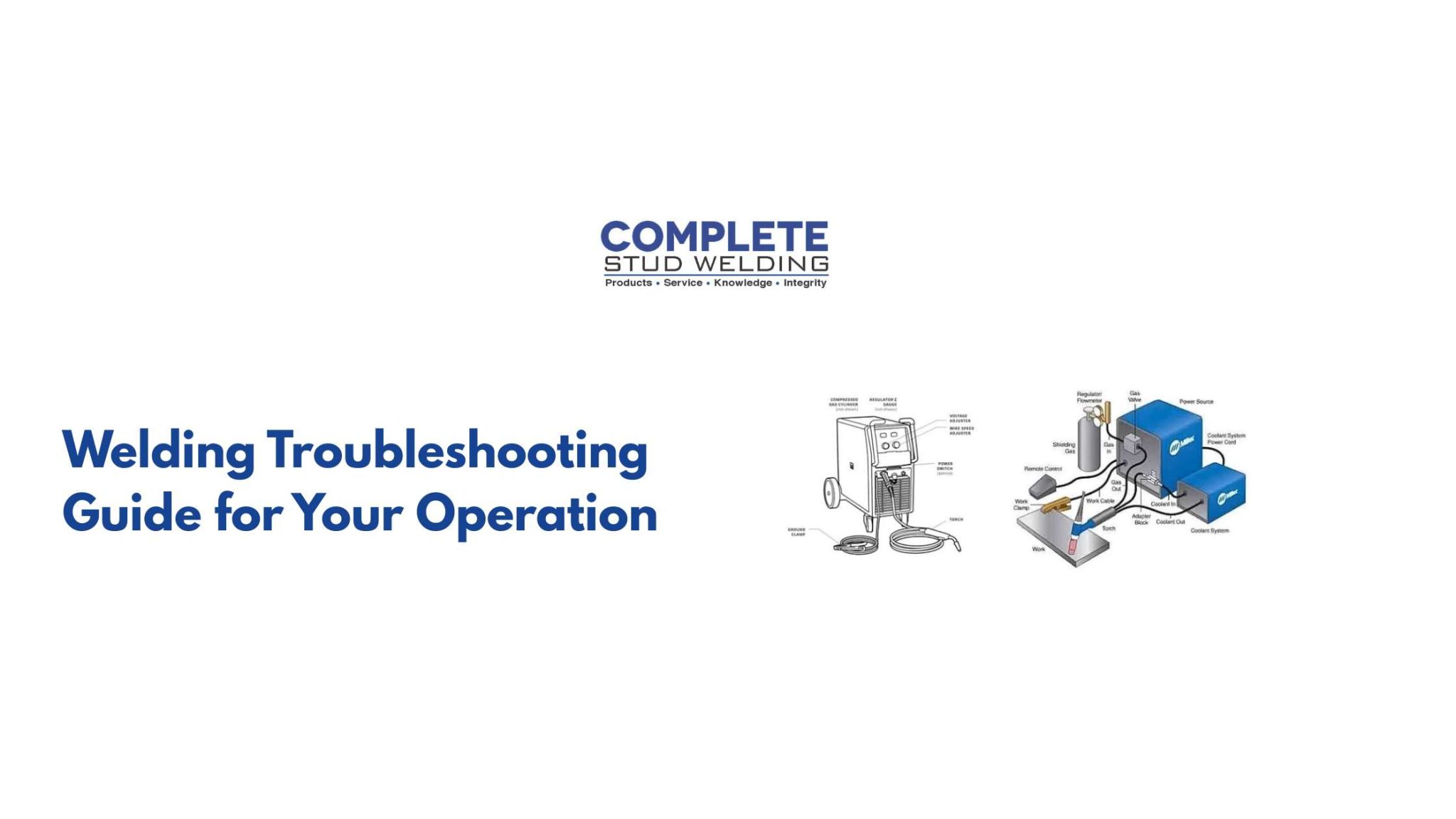
Most welding failures result from multiple small problems rather than one major issue. A complete troubleshooting program should include equipment calibration, operator training, approved consumables, surface preparation standards, and documented inspection procedures.
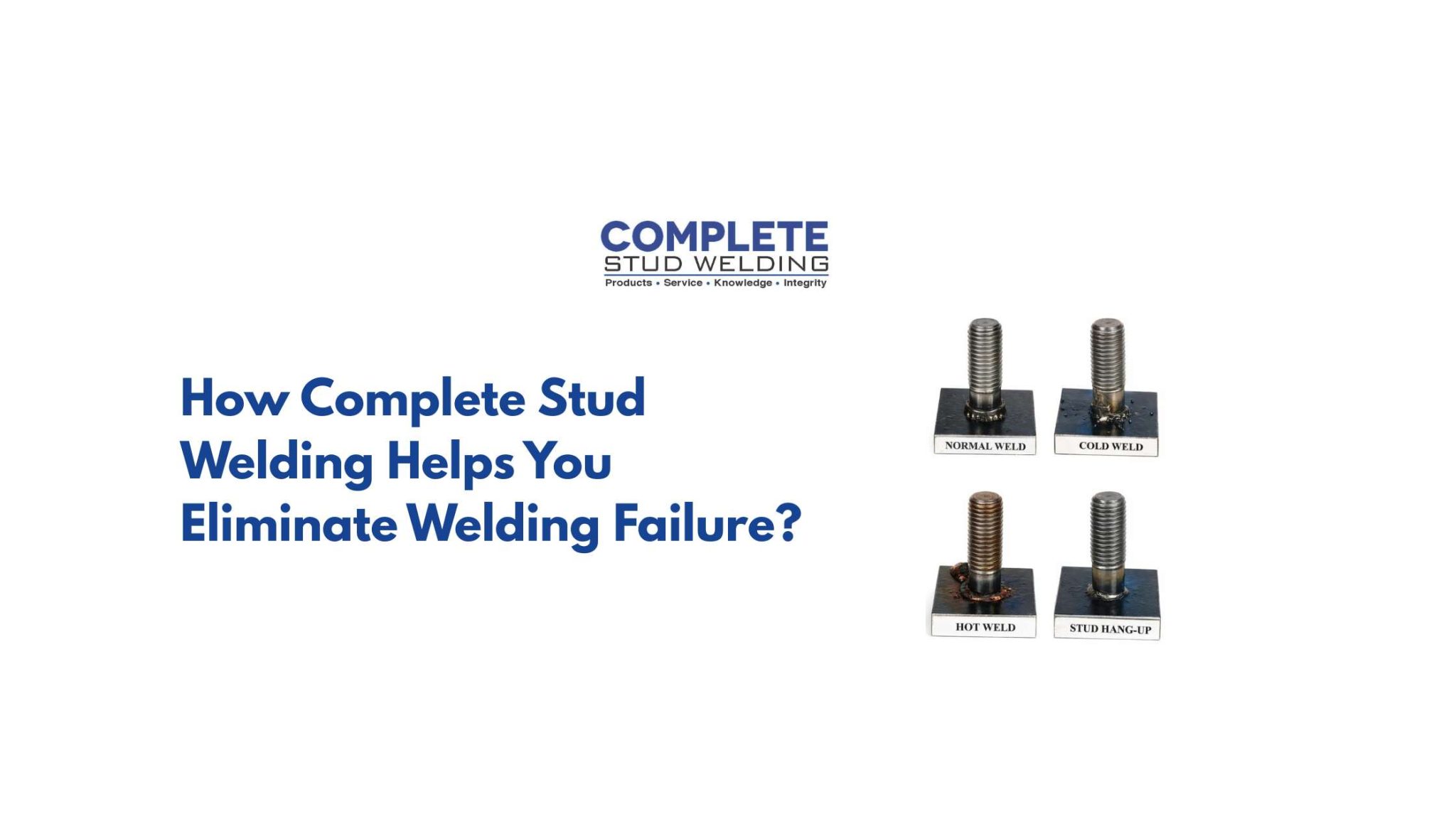
How Complete Stud Welding Helps You Eliminate Welding Failure
Complete Stud Welding supplies dependable stud welding machines, complete welding systems, technical support, and application expertise to help manufacturers achieve stronger, more consistent welds while reducing downtime and rework.
Whether you need equipment selection assistance or process optimization, our experienced team is ready to help.